


HORSEBRATION HORSEBRATION HORSEBRATION HORSEBRATION
OUR PRODUCTS
Horsebration – Vibration Plate
Good Vibrations!
For strengthening, a range between 25 and 35 hertz is recommended. Higher hertz values trigger fewer contractions and are more conducive to recovery.
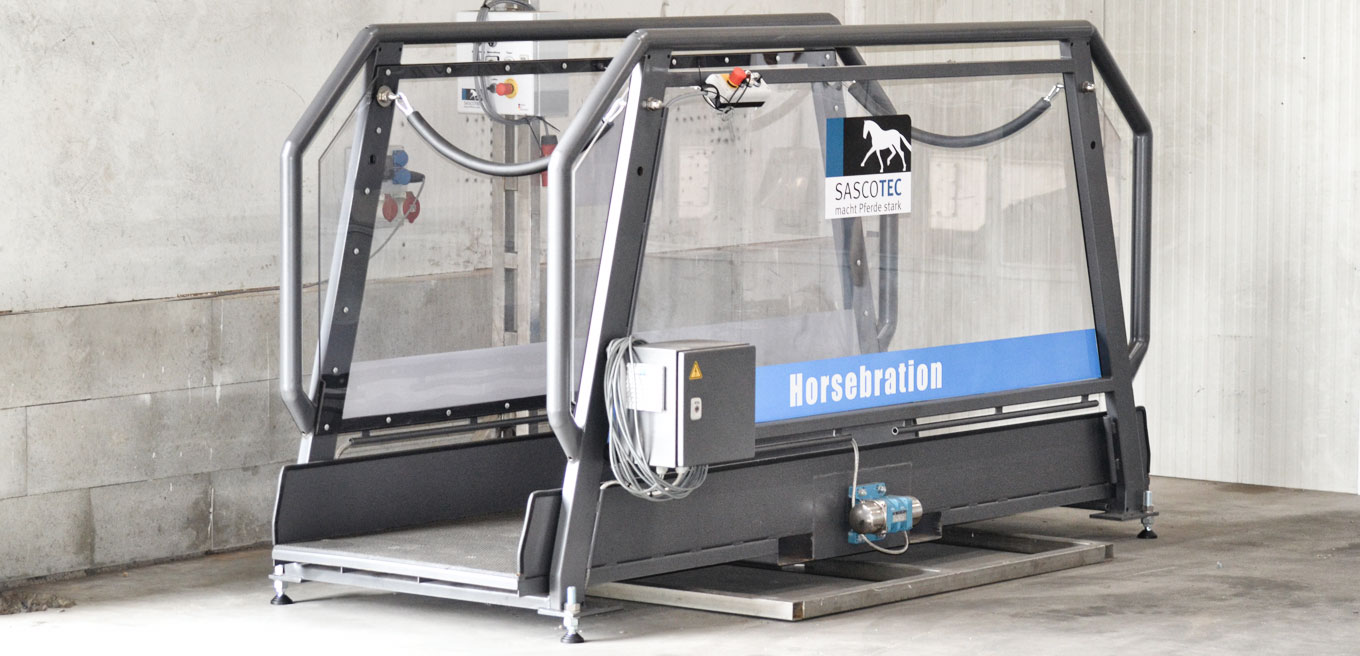
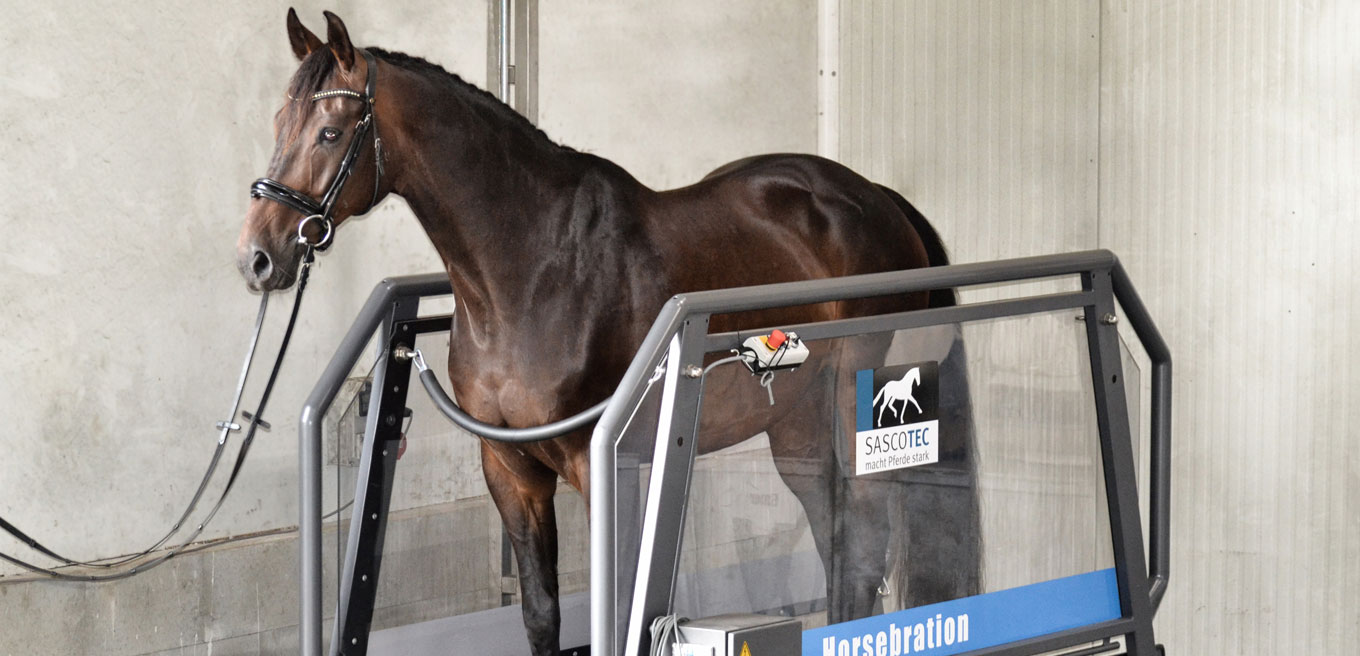
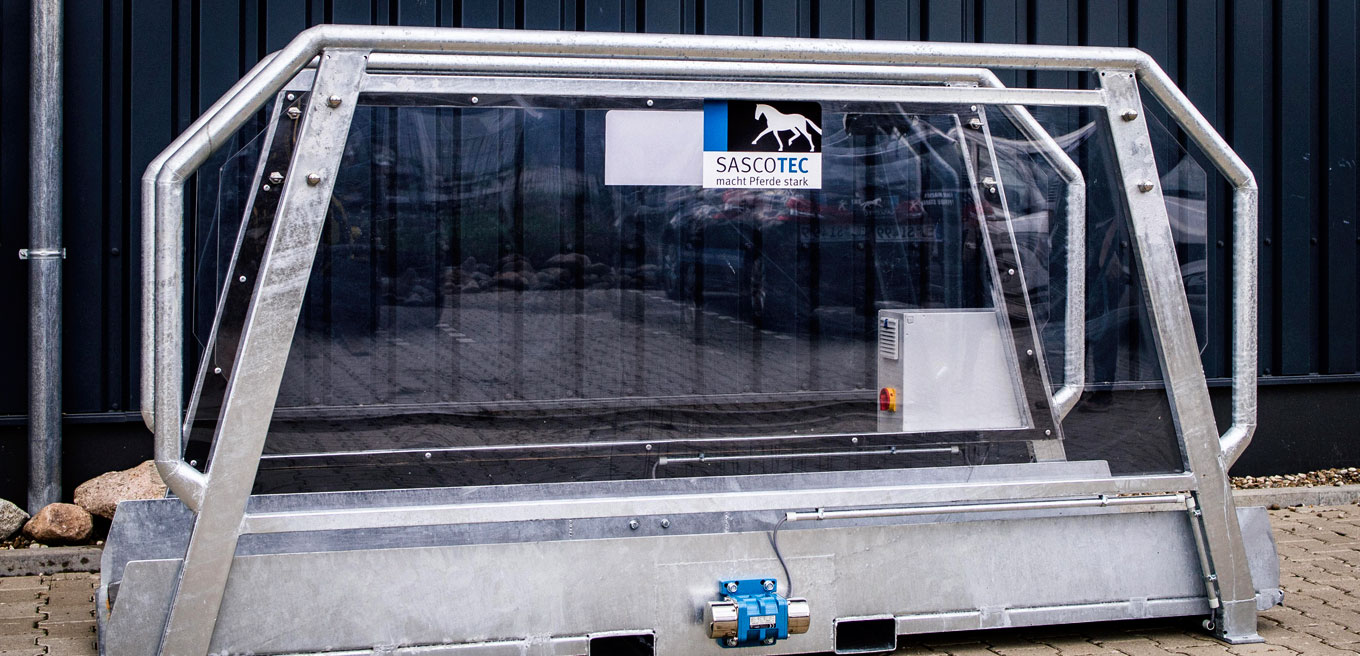
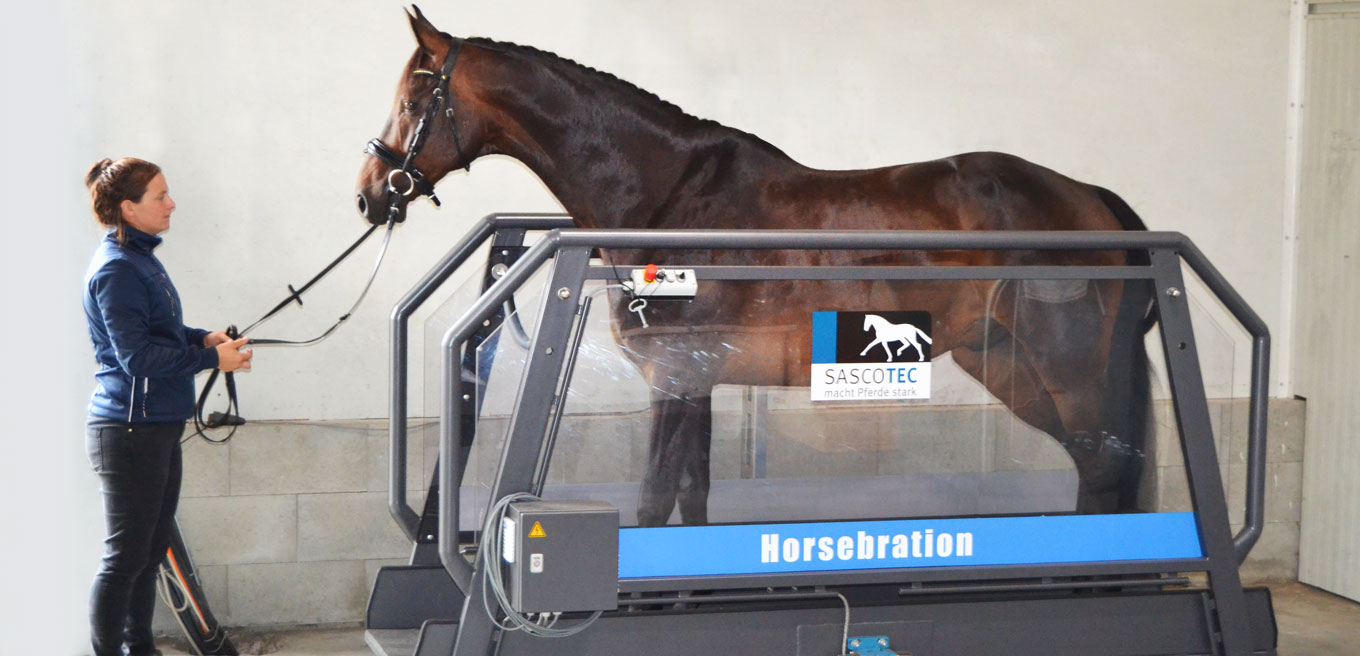
Elite X45 HD – X55 HD
Benefits at a Glance
- Sturdy frame, large surface area, good attachment options
- A gentle up-and-down motion of the platform simulates the horse’s gait
- Infinitely adjustable between 25 and 50 hertz
- Activates up to 97 percent of all muscles, especially the deep, small skeletal muscles
- Increases bone density by up to 20 percent
- Strengthens fascia, tendons, and ligaments
- Stimulates blood circulation
- Promotes faster healing after injuries, especially to the tendons
- Aids in rapid recovery after physical exertion
- Helps relieve colic
MODEL VARIANT
HORSEBRATION
The one-of-a-kind vibration plate for horses!
MODEL
HORSEBRATION
TO HELP THE HORSE RELAX
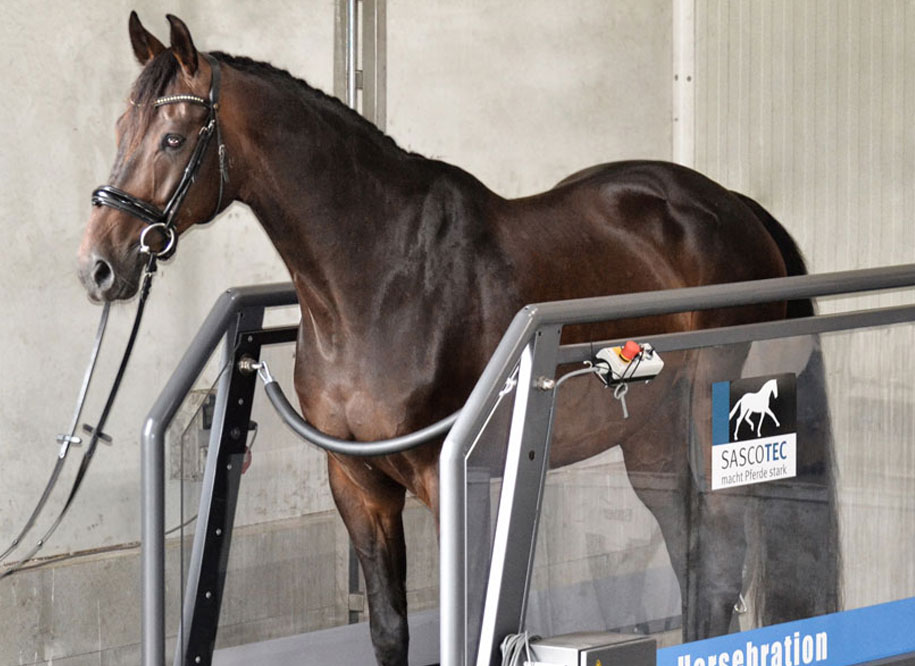
TO STRENGTHEN DEEP MUSCLES
INCREASING BONE DENSITY
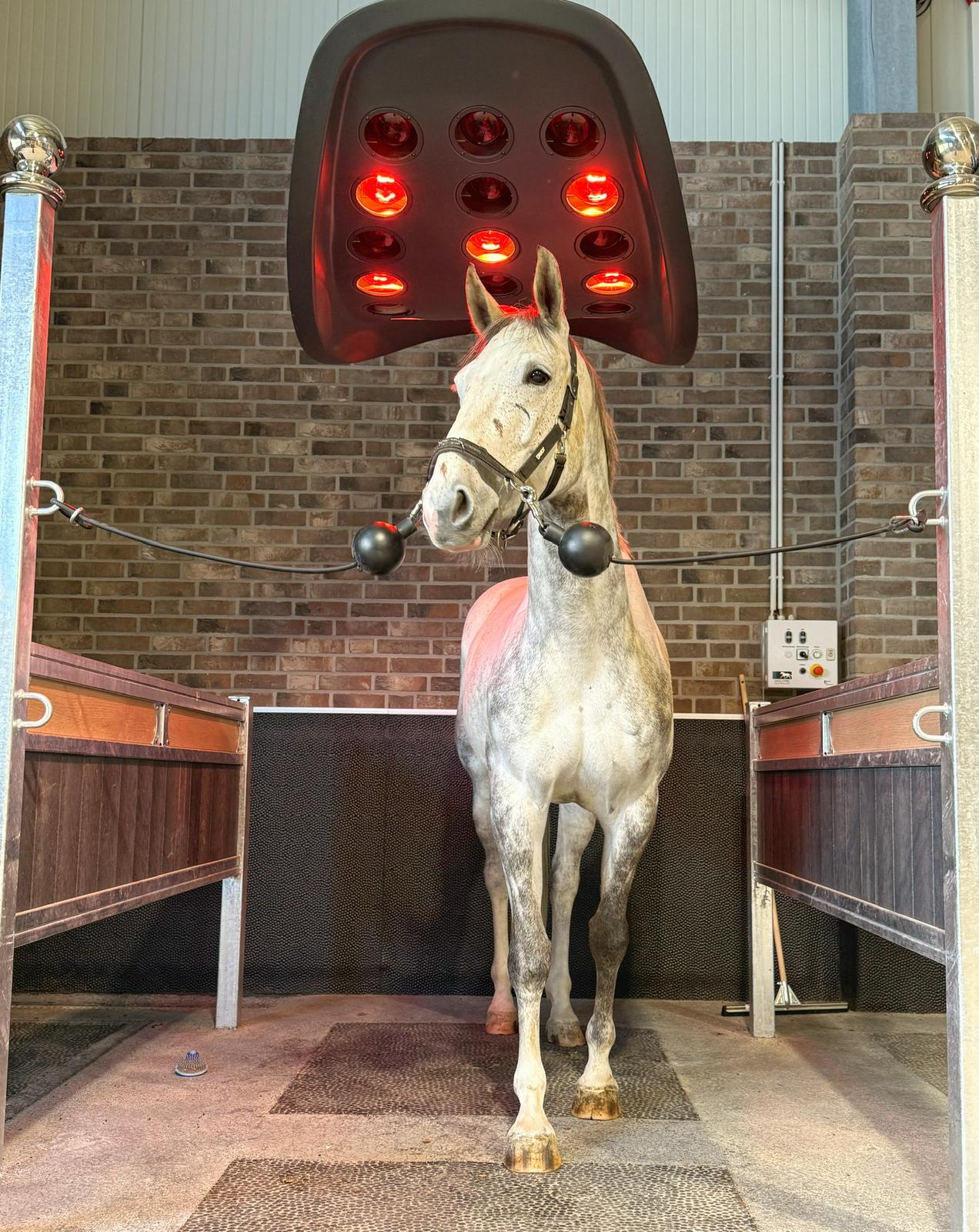
HORSEBRATION
CUSTOMER TESTIMONIAL
Lieset Buurman
„The Sascotec Horsepower vibration plate is simply amazing. Our horses respond very well to it, and we’re seeing great results in terms of muscle tone, flexibility, and recovery. For us, it has become an indispensable part of our daily training routine.“
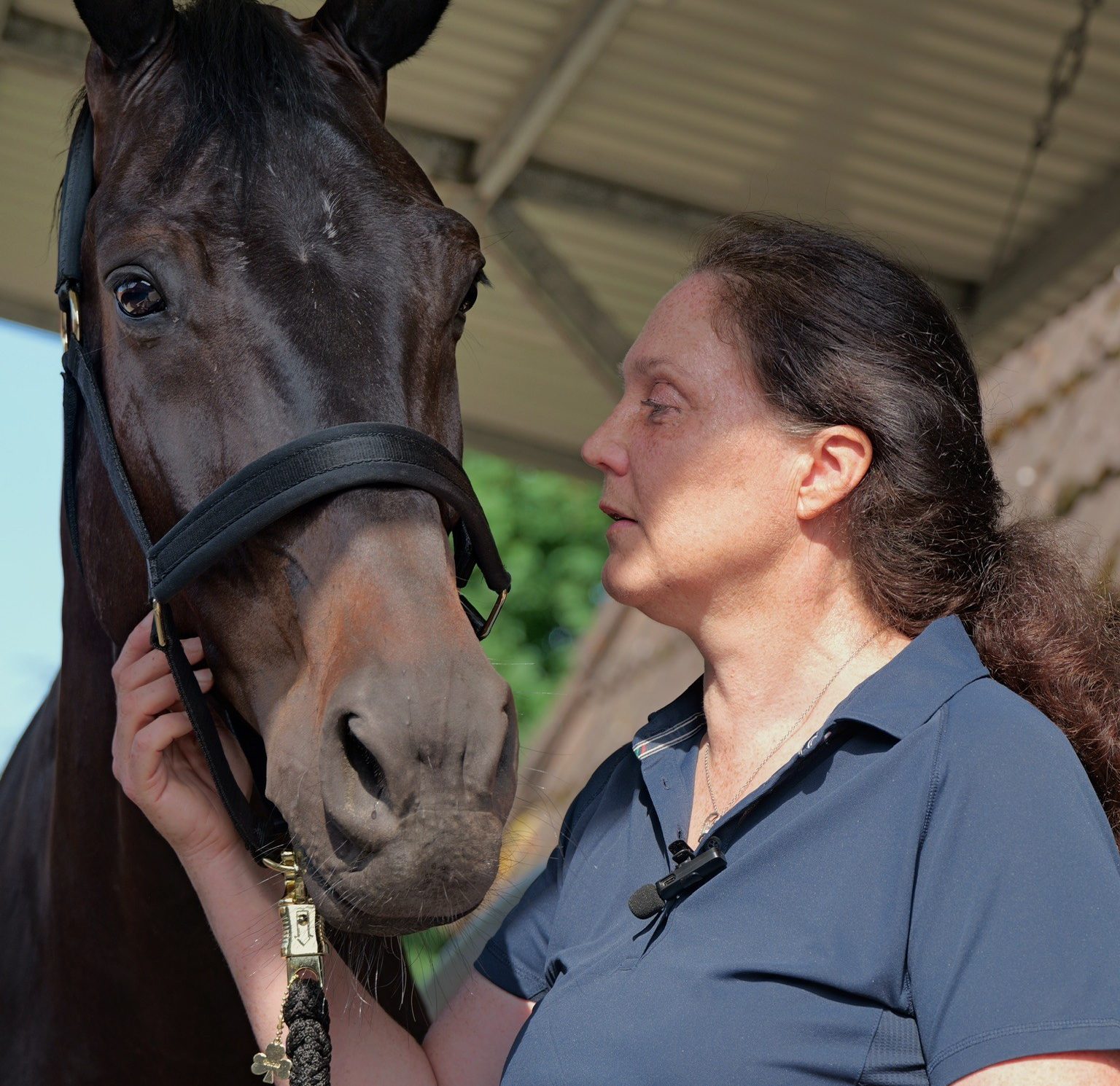
HORSEBRATION
CUSTOMER TESTIMONIAL
Frau Dr. Edelmann
„The vibration plate has become an indispensable tool in our daily therapy. We use it specifically – especially after surgeries – to gently support the horses. It has also become an integral part of our daily rehabilitation routine. Today, the vibration plate is an essential component of modern equine rehabilitation. We definitely wouldn’t want to be without it.“
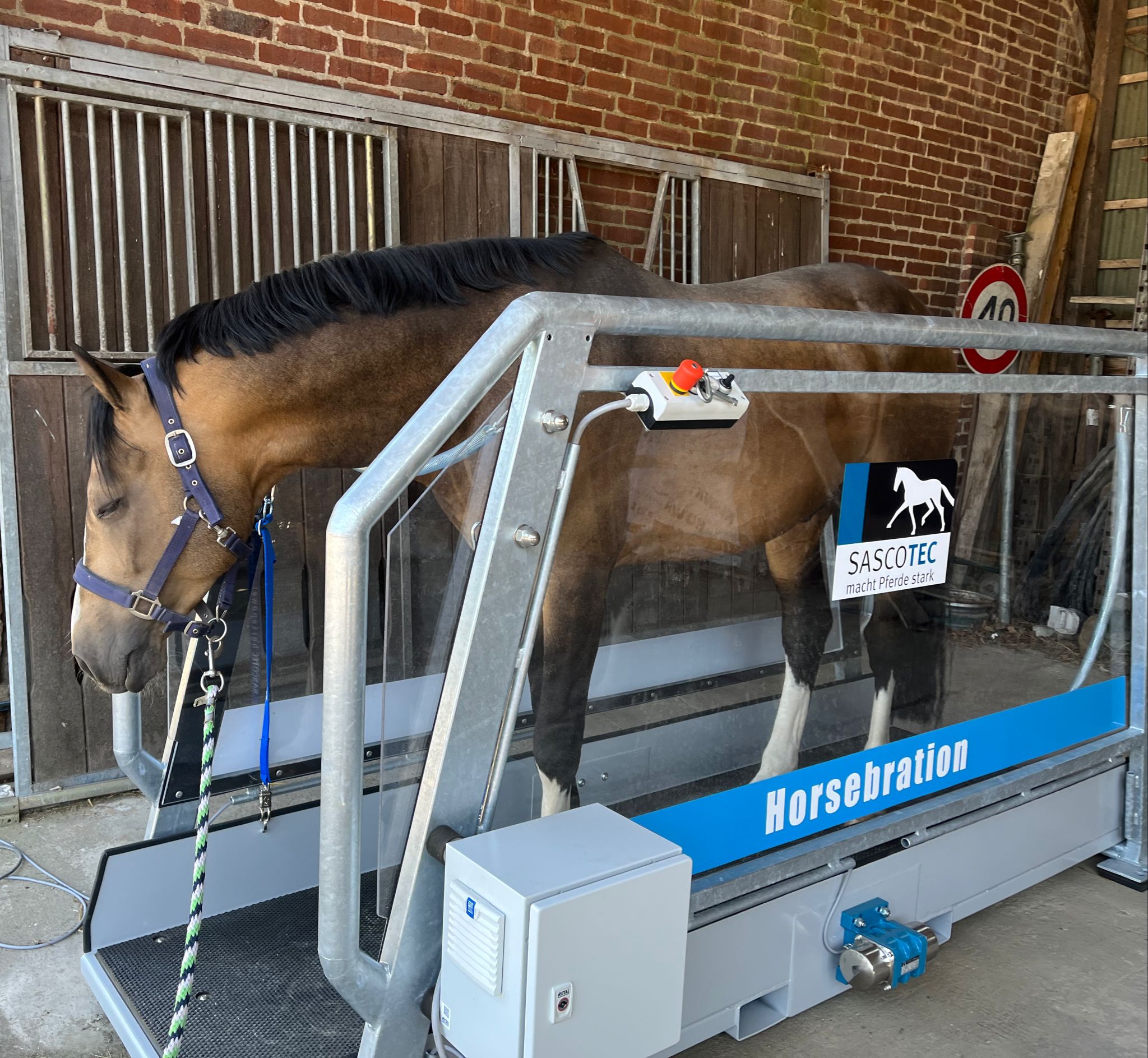
HORSEBRATION
CUSTOMER TESTIMONIAL
Eva Stückemann
„We’re really, really happy with the Sascotec vibration plate. For us, it’s a brilliant piece of equipment that we use every day. We especially like to use it in combination with a BEMER blanket. The horses often visibly relax after just a short time and respond very well to the treatment. This combination has proven itself time and again in our daily training and recovery routines. The vibration plate is a real asset to us, and we can’t imagine our daily stable routine without it anymore.“
FAQS
Frequently Asked Questions
Compared to the numerous studies on its effects in humans, the available data on medically verifiable facts regarding vibration training for horses is still lacking. Nevertheless, there are some independent studies that allow for general conclusions about the effects of vibration training. However, it makes sense to set aside the marketing claims of various providers of vibration platforms and limit oneself to the reputable results of veterinary research. The following discussion (including the FAQs below) draws on research findings from the veterinary faculties at Uppsala University (Sweden) and the University of California Davis School of Veterinary Medicine, as well as individual scientific studies.
It is important to note that vibration training has a wide range of positive effects. However, it can also have negative effects! For users without prior medical knowledge of equine physiology, it is therefore advisable to read up on the subject before purchasing and using a vibration platform, and to consider the operating principles of different platforms.
Vibration training is not recommended, especially for pregnant mares and young horses under 4 years of age.
Vibration training is a non-invasive treatment method that has a positive effect on osteoporosis and scoliosis. Bone density in horses’ legs and ribs improves by up to 20 percent (similar to humans). Spinal curvatures are counteracted, the vertebral segments become more stable, and the deep back muscles grow stronger. Lameness caused by these conditions improves or disappears entirely.
As thermal imaging shows, blood circulation throughout the entire body is stimulated. Improved blood flow has many other benefits, such as better vascular supply and anti-inflammatory effects.
Vibration training helps prevent and treat colic—even in horses that are kept in their stalls!
It helps treat soft tissue injuries, joint pain, laminitis, and navicular disease.
Hoof growth is stimulated. Hooves grow faster.
Cortisol levels drop, stress levels decrease, and relaxation sets in.
Muscle stimulation throughout the entire body—not just the large muscles, but especially the deep supporting muscles—consumes energy and burns fat. Great for overweight, sedentary horses!
Significant muscle growth was observed, particularly in the important back muscles. This effect was already evident after just 10 days of training for only 10 minutes a day on a vibration trainer. This shortens training times.
Horses that have been trained using the vibration trainer accelerate more quickly from a standstill. Their gait quality improves, and they move with greater flexibility and elasticity.
Vibration training prevents tendon damage and promotes and shortens the healing process for tendon injuries.
Most horses enjoy vibration training and visibly relax.
Exclusive to Sascotec Horsepower: The vibration plate is powered by two counter-rotating motors that operate simultaneously. This creates a gentle up-and-down motion that mimics a horse’s natural gait. Lateral inertial forces are neutralized. Other vibration plates typically have only one motor, which produces only a side-to-side shaking motion.
The frequencies range from 5 to 50 hertz and are adjusted using a rotary potentiometer.
Frequency has a direct impact on the effectiveness of vibration training. At high frequencies, the body responds to the rapid rocking motions with rhythmic muscle contractions. This leads to increased muscle tone and improved muscle performance.
Medium frequencies can relax the muscles, improve coordination, and stretch the muscles and tendons.
At low frequencies, depth perception and balance are improved, and the muscles are relaxed.
Frequencies ranging from 15 to 44 Hz are generally recommended.
Frequencies below 15 Hz are generally not intense enough to stimulate muscle activation. Start with a frequency of 20 Hz and observe the horse. Some horses relax immediately, stand still, and lower their heads. With other horses, you may not notice a positive effect at first; in these cases, you can slowly increase the frequency in increments up to 40 Hz. As a general rule: Proceed slowly and allow your horse to get used to the new stimuli. Always start at a low setting and increase the intensity based on your horse’s condition and reaction. Watch for signs of relaxation and calmness or nervousness and stress. If the latter occur, reduce the intensity and duration of the stimulation or stop the training session.
Depending on your pet’s condition and training goals, a training session lasting between 10 and 20 minutes is recommended twice a day at higher heart rates. If your pet has any health issues, always consult your veterinarian. For relaxation and recovery purposes at lower heart rates, the session can last up to 30 minutes. As always, keep a close eye on your pet—you know it best!